
0+

Über das Buch
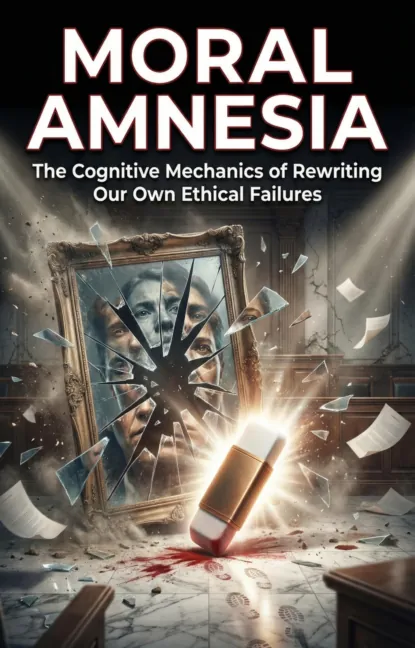
When we catch others in a lie or an ethical breach, our judgment is swift and unforgiving. We label them as fundamentally flawed or inherently dishonest. But when we commit the exact same transgressions—cutting corners, lying to a client, or betraying a confidence—our memory of the event miraculously softens.
Our brains are exceptionally skilled defense attorneys. To protect our core identity as «good people,» we unconsciously rewrite the narrative of our own moral failures. We invent external pressures, dilute our personal agency, and slowly erase the inconvenient details until our unethical behavior feels completely justified.
This book explores the neurological and psychological framework of moral amnesia. It dissects how ethical fading occurs in high-pressure corporate environments, allowing otherwise decent professionals to participate in massive systemic frauds without ever feeling a twinge of personal guilt.
Stop the cycle of self-deception. By understanding the specific cognitive tricks your brain uses to sanitize your past, you can build robust ethical guardrails and cultivate a culture of genuine accountability in both your personal life and your business.